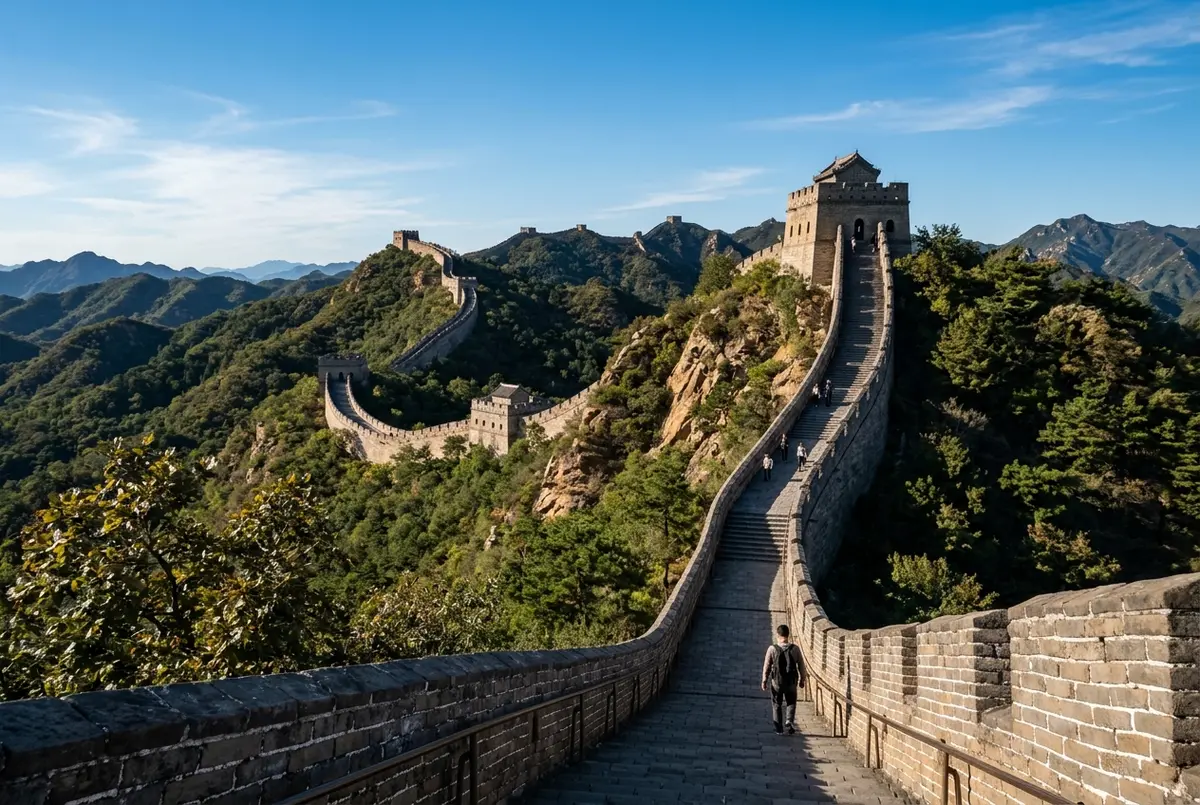
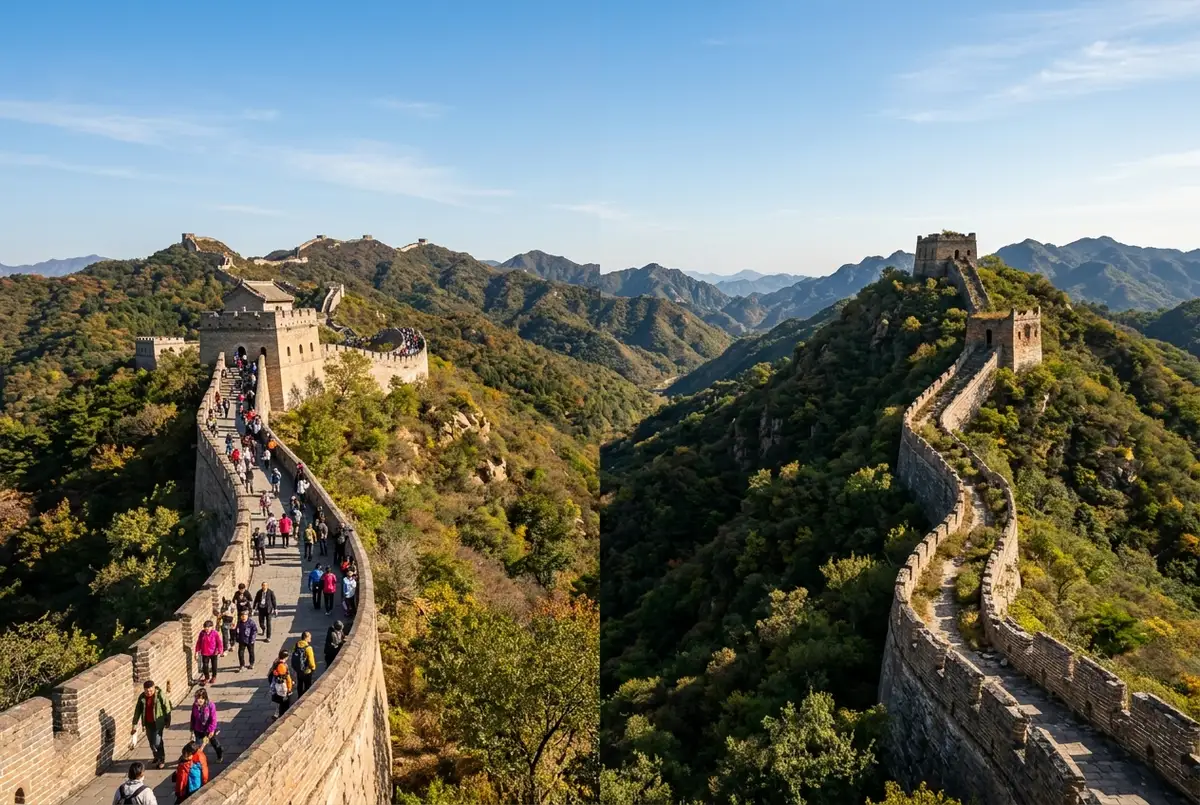
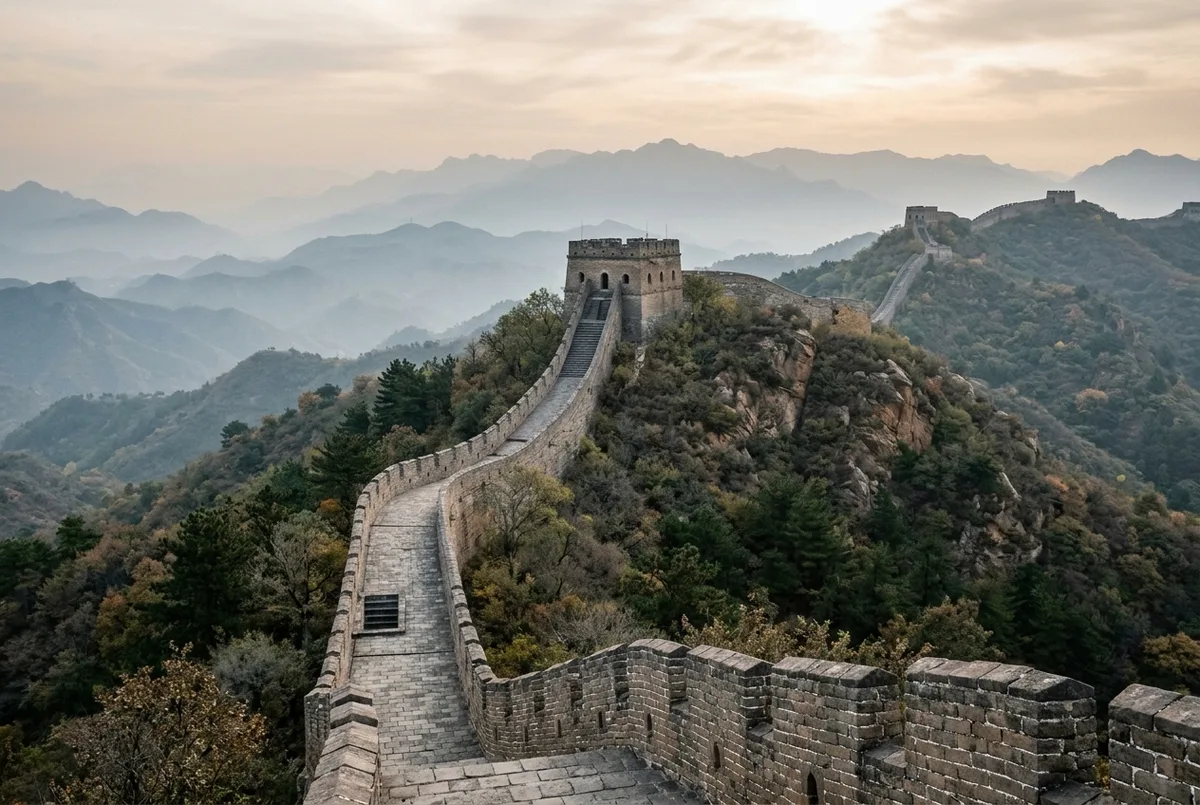
Jiankou: The Wild, Unrestored Section of the Great Wall of China
Great Wall of China Jiankou: why it is called the wild wall, why it is dangerous, what is open now, and what the recent excavation uncovered.
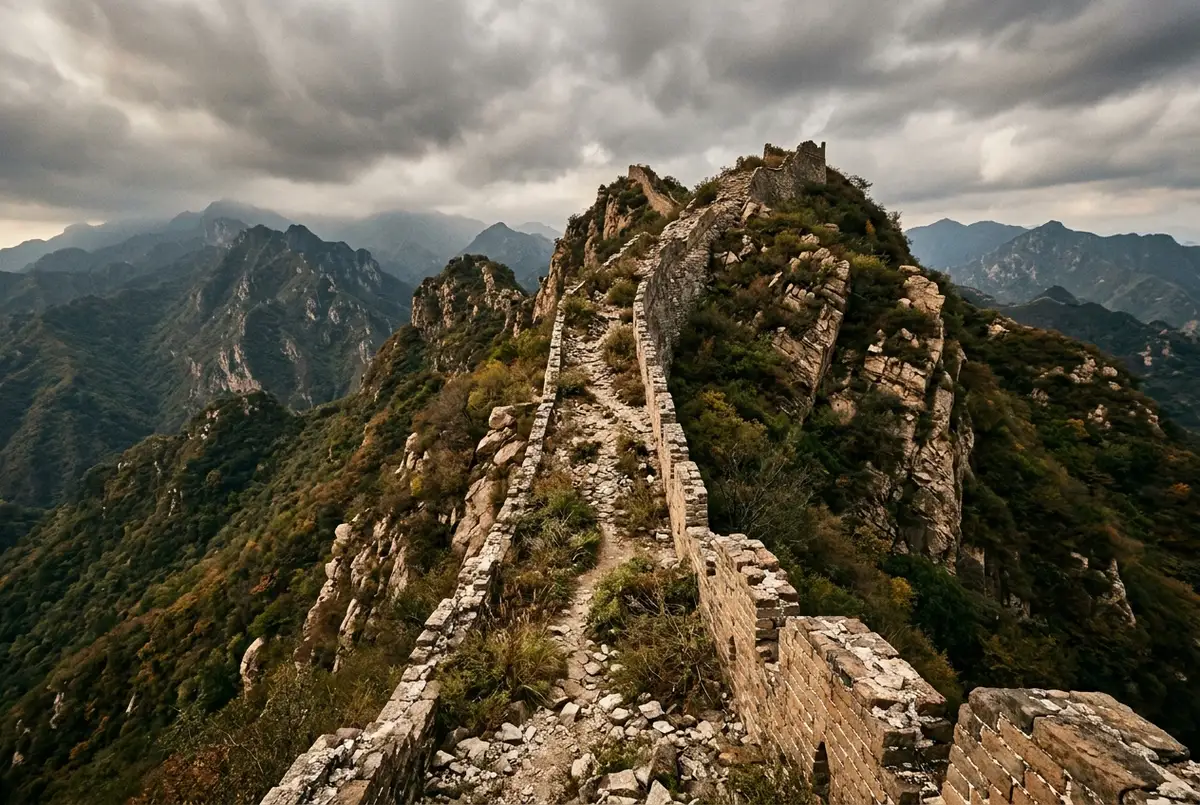
Mostly closed, officially. Jiankou has been under protective restoration since 2016. A short, guided route between towers 141 and 145 opened in January 2025; the rest stays off limits for safety and preservation.
 Mutianyu Great Wall Admission Ticket (Optional Cable Car) From $16.90 · Cheapest way onto the Wall See dates
On this page 6 sections
Jiankou is the crumbling, mostly unrestored stretch of wall that photographers and hardcore hikers talk about constantly and actually visit… rarely. Most of it has been closed since 2016.
What is the Jiankou section of the Great Wall of China?
A roughly 7,952-metre stretch in Huairou District, originally built in the Tang Dynasty and restored in the Ming Dynasty, threading between the Mutianyu and Huanghuacheng sections. Hikers have called it “the wild Great Wall” for years now, and honestly the name fits.
Where Jiankou sits between its neighbors
Open in Google MapsWhy is Jiankou considered dangerous and mostly unrestored?
Steep mountain terrain, decades of neglect, no handrails to speak of. That combination is exactly why Beijing authorities call it one of the most dangerous parts of the Great Wall, known by hikers as “the wild Great Wall.” Local authorities have warned against climbing it without authorization, more than once.
“known by hikers as 'the wild Great Wall'”
China Daily government information portal, 2024 · source
Is Jiankou Great Wall open to visitors?
Mostly, no. Since 2016 it’s been under protective restoration and closed to the public. In January 2025 Huairou authorities opened one short, guided segment between towers 141 and 145 so people could finally visit something legally — the rest stays off limits.
Say you’ve seen dramatic Jiankou photos online and figured the whole section must be open by now. Read the 2025 announcement closely and it says otherwise: only that narrow guided stretch between towers 141 and 145 is legal, full stop. The rest remains closed for restoration and safety. I wouldn’t treat an unauthorized climb as worth the risk here, no matter how good the photos look on someone’s feed.
What was found in the Jiankou Great Wall excavation?
In December 2025 the Beijing Institute of Archaeology announced a late-Ming cannon measuring 89.2 cm and weighing 112.1 kg — the largest artillery piece found at Jiankou so far, pulled from a dig covering three beacon towers and the walls connecting them.
What the 2025 excavation found
Source:People's Daily Online, via XinhuaHow much restoration work has happened at Jiankou?
Restoration has run in phases since at least 2019: a 2,772-metre, 17-tower project approved by the National Cultural Heritage Administration, then a later fifth phase covering six towers and 915 metres launched in 2023 for completion by 2025.
| Phase | Scope | Status |
|---|---|---|
| Earlier project (approved by national heritage authority) | 2,772 m, 17 towers | Reported in 2019 |
| Fifth phase | 915 m, towers 117-122 | Launched 2023, planned completion 2025 |
| Public access | Guided route, towers 141-145 | Opened January 2025 |
If Jiankou’s wild reputation is the whole draw for you, the honest version of the trip right now is that one short guided route — not a self-led climb across the rest of it. For sections that are fully open to everyone, see the best section guide or read about Mutianyu, the closest fully restored neighbor. If difficulty is your main concern across all four sections, see how hard it is to walk the Great Wall.
Questions
Can tourists climb Jiankou Great Wall on their own?
Not legally, not across most of the section. Only the guided route between towers 141 and 145, opened in January 2025, is an authorized way to visit.
How does Jiankou compare to Mutianyu for difficulty?
No comparison really — Jiankou is far harder and riskier, largely unrestored and sitting on steep terrain, while Mutianyu is fully restored with even steps and a cable car.
What happened to the cannon found at Jiankou?
Archaeologists pulled it out during a 2025 excavation of three beacon towers. Researchers say its inscriptions will help study Ming-era firearms manufacturing.
Why is Jiankou called “the wild Great Wall”?
Because most of it is still unrestored, clinging to steep, weathered terrain, nothing like the fully rebuilt ramparts you’ll find at Badaling or Mutianyu.