What Is the Great Wall of China, and Why Was It Built?
Great wall of China definition: what it actually is, the real defensive purpose, and why China eventually stopped building it.
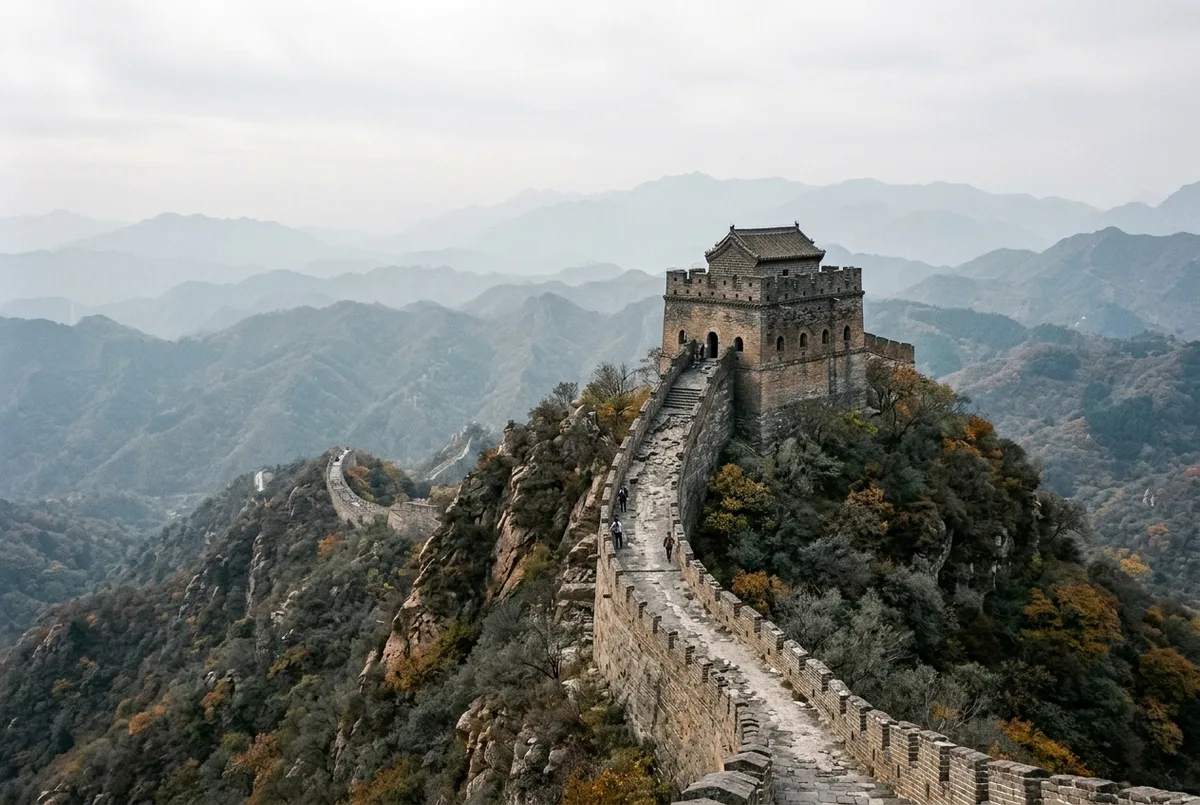
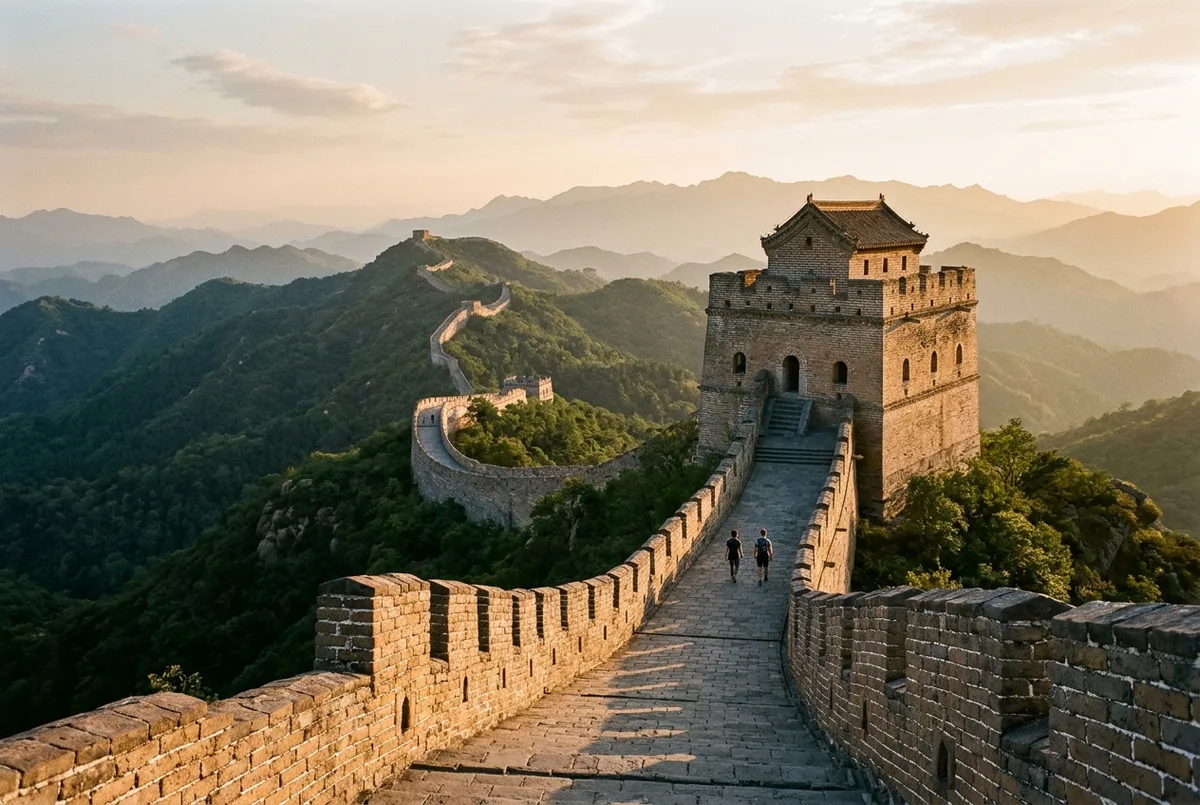
It is a connected system of walls, watchtowers and passes along China's historical northern border, built as a military defence project across dynasties to secure a relatively peaceful frontier, not one unbroken barrier.
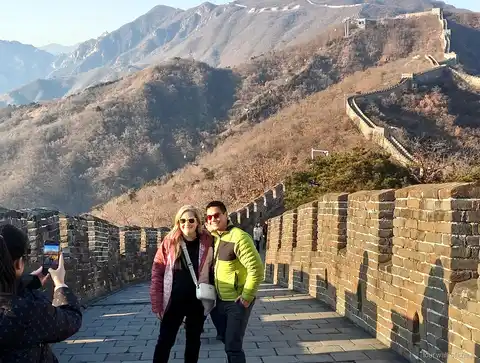 Mutianyu Great Wall Admission Ticket (Optional Cable Car) From $16.90 · Cheapest way onto the Wall See dates
On this page 7 sections
What is the Great Wall of China, and why was it built? Honestly, people picture one single wall and that’s not quite it. It’s a connected system of walls, watchtowers and passes strung along China’s old northern border, built up over centuries as a defence project against raids from the north. Not glamour. Survival.
The frontier, by the numbers
Source:Beijing Municipal GovernmentWhat is the Great Wall of China?
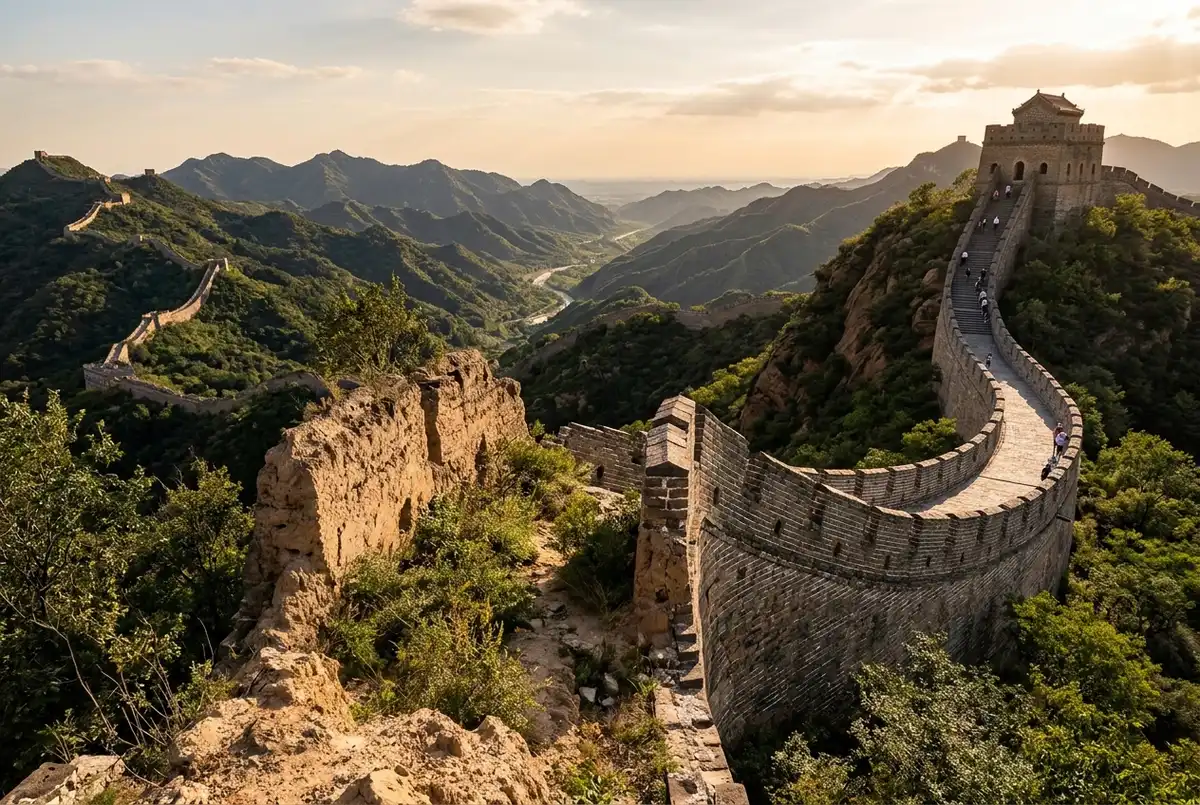
A connected system of walls, watchtowers and passes along China’s historical northern border, running from Shanhaiguan in the east to Jiayuguan in the west. One single unbroken wall it is not, even though that’s the image most of us grew up with.
For when each piece of that system was actually built, see when the Great Wall was built.
Why was the Great Wall of China built?
Beijing’s own heritage authority calls it the great military defence project of successive Chinese Empires - built to protect the northern border, and these days treated as a national symbol for safeguarding the security of the country and its people. Defence first, symbol later.
Why did the Zhao state and the Qin Dynasty start building walls in the first place?
The Zhao state built its wall to defend an agricultural society from nomadic powers to the north. Then, after unifying China in 221 BC, Qin Shi Huang took it further: he ordered the existing border walls connected and extended, aimed squarely at the Xiongnu.
Did the Great Wall actually keep invaders out?
Say you’re standing on the wall near Beijing, picturing one unbroken fortress line, built in one go, sealing the border shut for good. That’s not really the story. China’s own government information portal frames its effect as helping rulers secure a relatively peaceful environment for agricultural development. A strategic buffer, basically. Not a claim that nothing ever got through.
| Dynasty or era | Approach to the northern frontier |
|---|---|
| Zhao state | Regional defensive wall against nomadic powers |
| Qin and Ming Dynasties | Connect, extend and rebuild the wall system |
| Qing Dynasty (1644-1911) | Political banner-system diplomacy, no new wall |
I’d put it this way: “did the wall work” really means “did it help,” not “did it seal the border shut.” The sourced framing backs the first claim. Not the second.
Why did China eventually stop building the Great Wall?
The threat changed, so the response changed with it. By the Qing Dynasty (1644-1911), Emperor Kangxi managed Mongolian powers through a political banner system instead of ordering more wall built, which quietly ended a building tradition that had run since the Zhao and Qin eras.
“Its historic and strategic importance is matched only by its architectural significance.”
Beijing Municipal Government, 2022 · source
What does the Great Wall of China symbolize today?
Beijing’s municipal government calls it the national symbol for safeguarding the security of the country and its people and physical evidence of the political and military strategy of successive Chinese empires. A status that’s grown well past its original, purely defensive job.
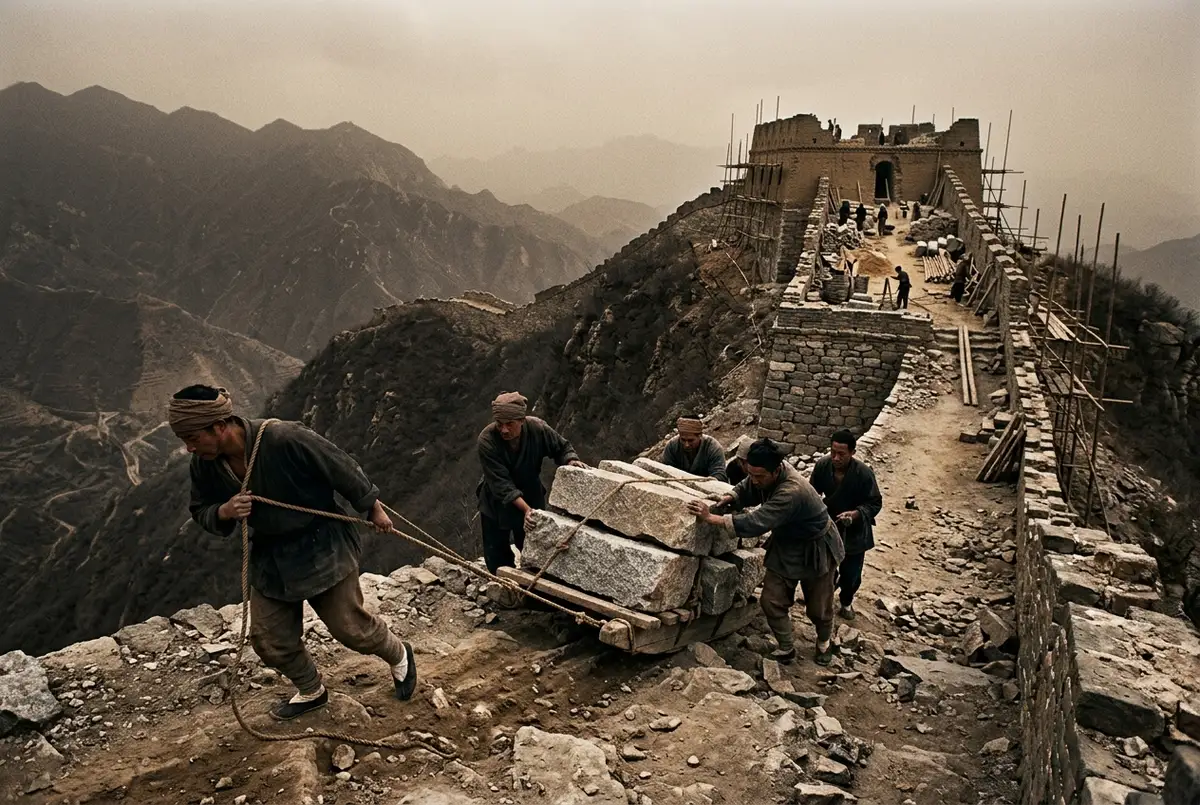
That symbolic weight is also why the human cost of building it matters. See how many people died building the Great Wall. And if you’d rather just go see a restored section yourself, the Mutianyu entry ticket is the cheapest way onto the wall near Beijing.
Questions
What are the benefits of the Great Wall of China?
It helped secure a relatively peaceful frontier for farming across several dynasties, and today it’s a UNESCO World Heritage Site and honestly one of the biggest reasons people visit Beijing at all.
What are the downsides of the Great Wall of China?
Building it cost enormous money and labor. And the sourced history here never claims it stopped every incursion, just that it helped hold a comparatively stable frontier.
Is the Great Wall of China one single wall, or many separate walls joined together?
Many separate walls, trenches and natural barriers, built across different dynasties, later connected, extended and rebuilt into what we now just call “the wall.”
Which dynasty gets the most credit for the Great Wall as it looks today?
The Ming Dynasty (1368-1644), hands down. Most of the restored, photogenic sections visitors see near Beijing, Mutianyu included, date to Ming-era rebuilding rather than the wall’s much older origins.